Chhattisgarh Agricon Samiti

Communities Leading Water Security: How Jal Madai Strengthened Local Water Governance in Bastar


Ripa Kodenar Village, Bastar | 26 June 2026

Water security is often viewed through the lens of infrastructure. Discussions usually focus on pipelines, borewells, storage tanks and water supply systems. While these are essential, sustainable water security depends on something equally important but often overlooked: strong local governance and active community ownership.


Recognising this, Chhattisgarh Agricon Samiti (CAS), with the support of the District Administration, Bastar, organised Jal Madai – Our Water, Our Responsibility at Ripa village under the joint initiative of Gram Panchayats Kodenar and Tirthum in collaboration with Azim Premji Philanthropic Initiatives (APPI).

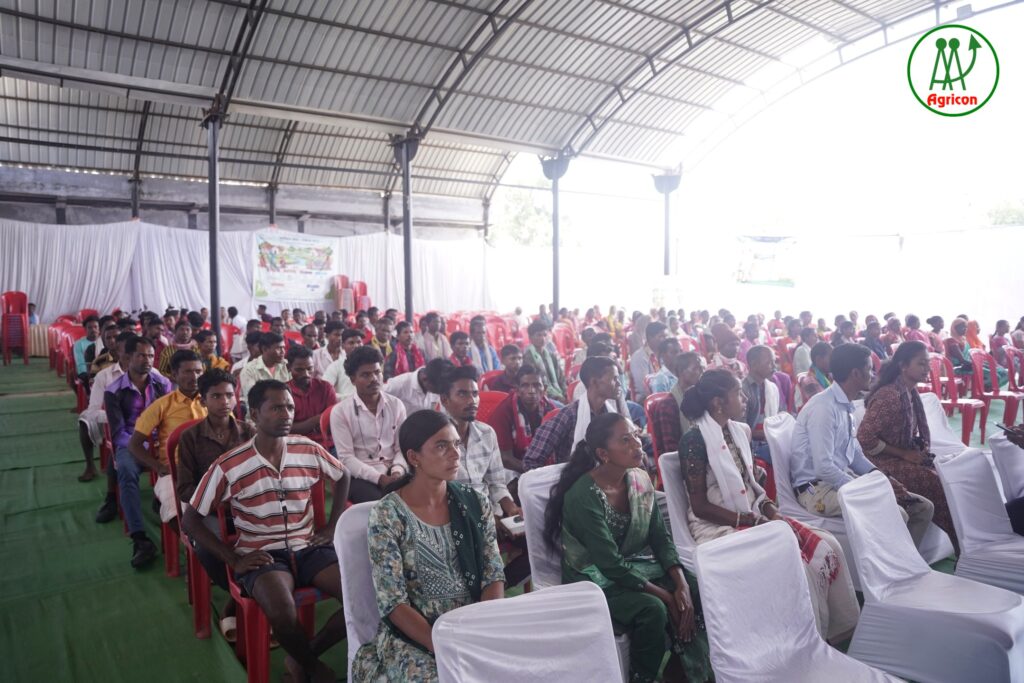
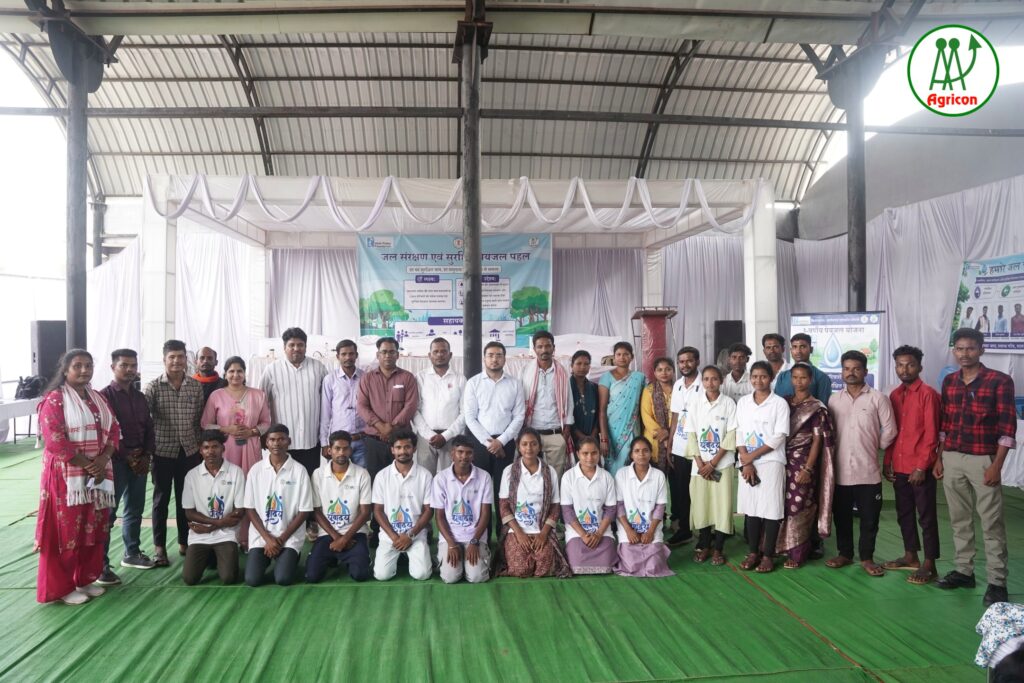
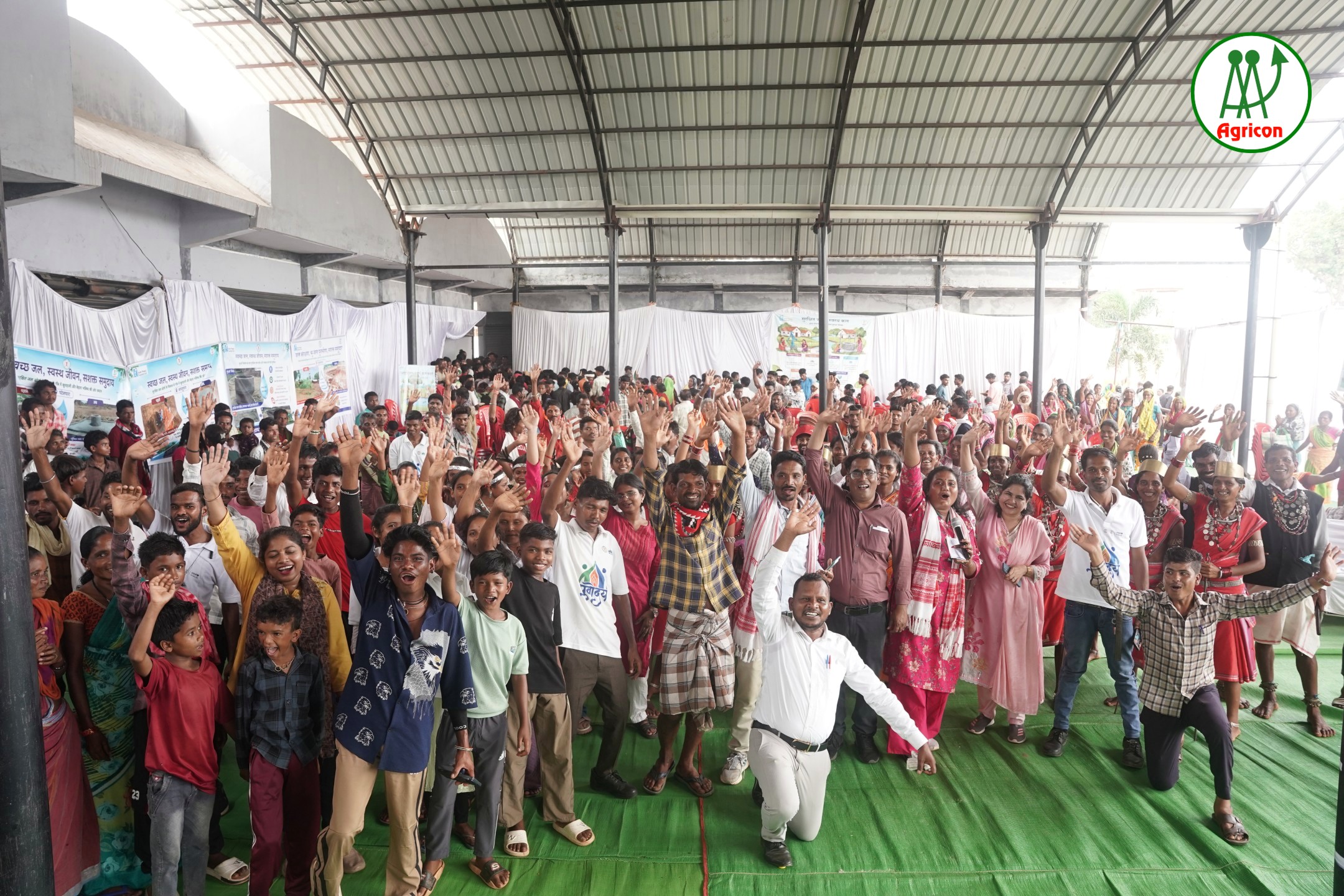
The programme brought together government representatives, Panchayats, Village Water & Sanitation Committees (VWSCs), Water Champions and community members to strengthen a shared understanding that protecting water resources is a collective responsibility.
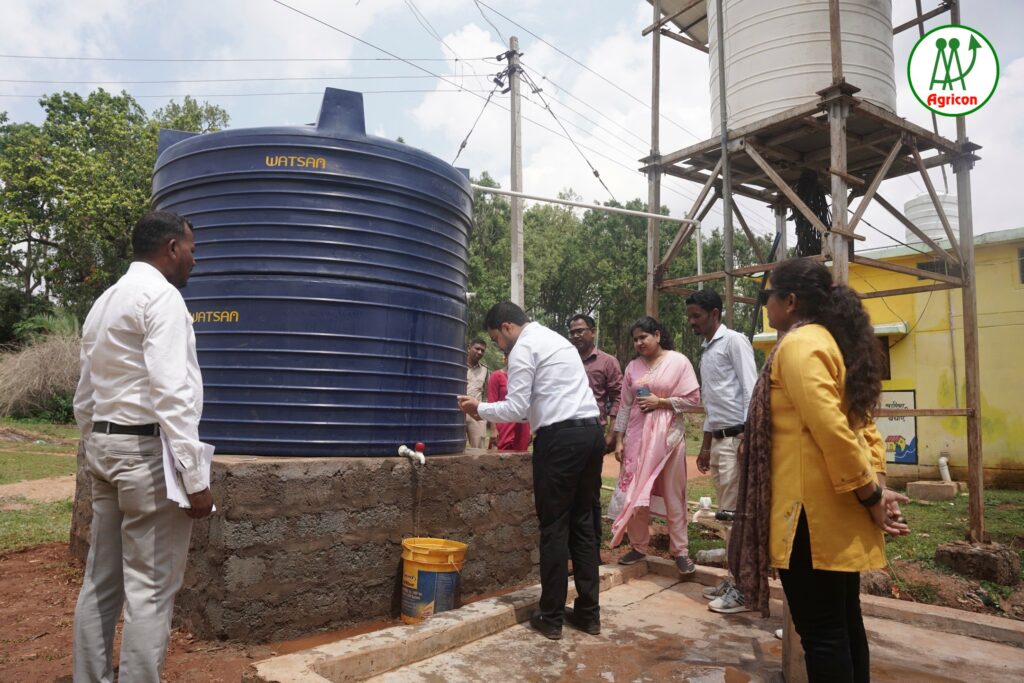
Strengthening Water Governance Through Community Participation

The programme was attended by Mr. Prateek Jain, CEO, Zila Panchayat Bastar, along with officials from Janpad Panchayat, Panchayat representatives, Village Water & Sanitation Committees (VWSCs), Water Champions and community members.

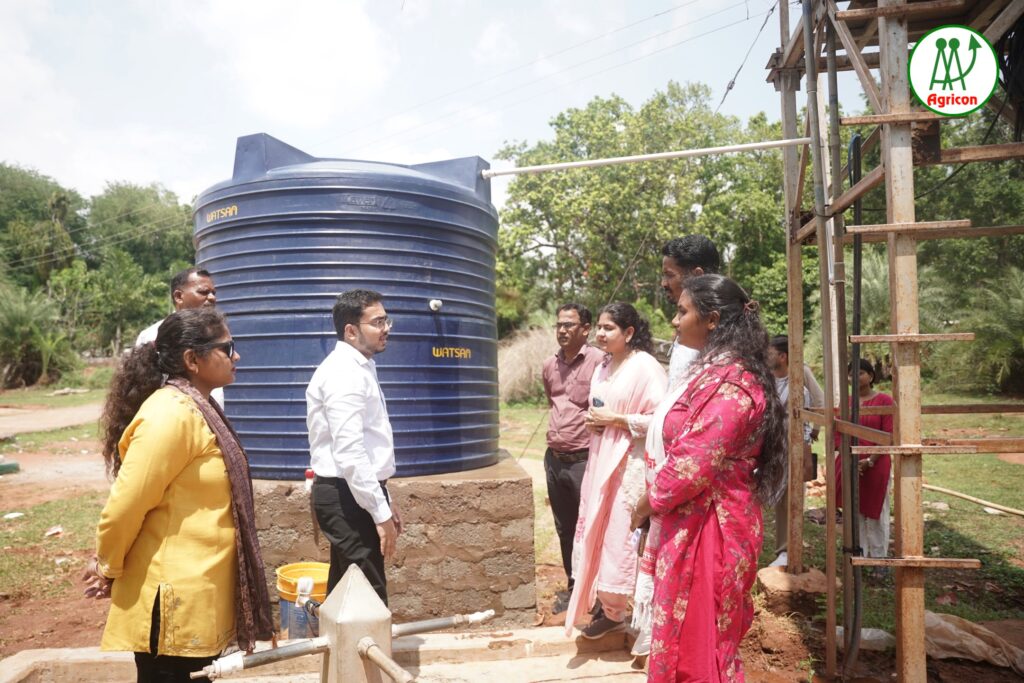
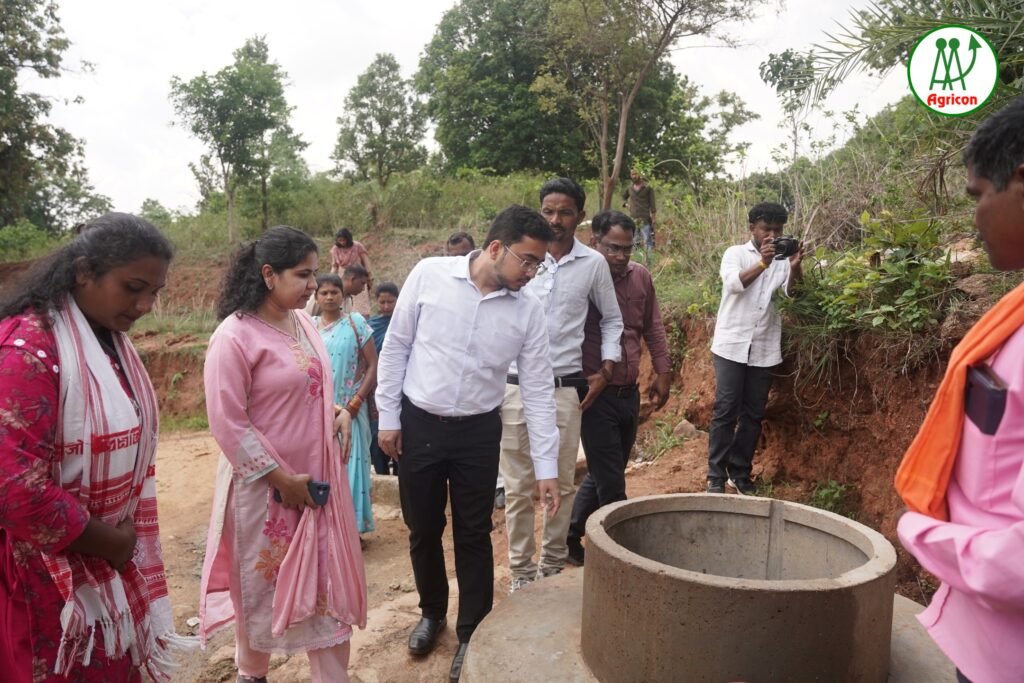
The day began with a field visit to project sites, where participants observed completed interventions and interacted directly with community members. These conversations provided valuable insights into local water-related challenges while highlighting the importance of listening to communities before designing long-term solutions.

The field visit reinforced an important lesson: sustainable water management becomes more effective when communities are active participants rather than passive beneficiaries.


Learning Through Shared Experiences

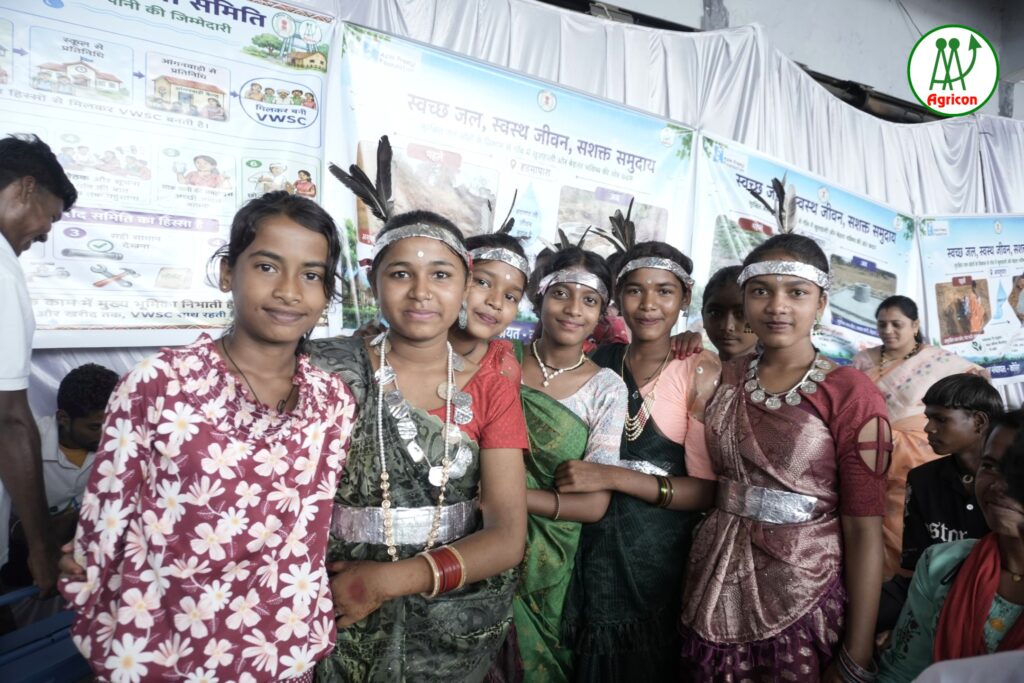
Following the field visit, participants visited an exhibition that documented the project’s journey and highlighted the progress achieved through community participation.

The exhibition showcased water source development initiatives, behaviour change activities, community engagement efforts and the contribution of local Water Champions in promoting safe drinking water practices. It also reflected how collaboration between communities, local institutions and government can create sustainable systems for managing water resources.

CAS presented an overview of the project’s objectives, achievements and future direction, while community representatives openly shared local water challenges and discussed the need for stronger collaboration between Panchayats and citizens to ensure long-term water security.

Celebrating Local Leadership

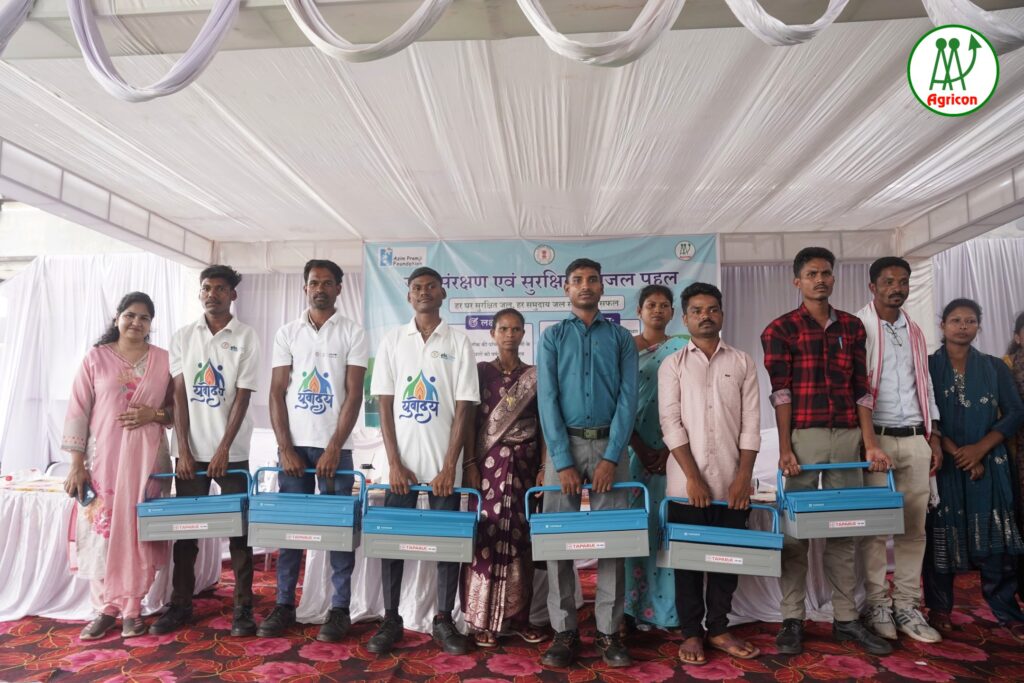
One of the defining moments of the programme was the recognition of local leadership. Water Champions were honoured for their continued efforts in monitoring water sources, creating awareness on safe drinking water and encouraging responsible water practices within their communities.
Water monitoring kits were provided to support their ongoing work.

Members of the Village Water & Sanitation Committees (VWSCs) were also recognised for strengthening village-level participation and collective decision-making around water governance. Their contributions demonstrate that meaningful change is sustained when communities themselves
become custodians of their natural resources.

Strengthening Gram Panchayats for Evidence-Based Decision Making

Gram Panchayats play a central role in ensuring the long-term sustainability of village water systems. To strengthen this role, water testing kits were provided to Gram Panchayats, enabling regular monitoring of drinking water quality and supporting evidence-based local decision-making.

Reliable information empowers local institutions to respond more effectively to emerging challenges while building greater confidence within communities regarding the safety of their drinking water.

Supporting Safer Drinking Water at the Household Level

Community-wide systems are most effective when they are complemented by action at the household level.

To encourage safer drinking water practices, selected households received water filters during the programme. While modest in scale, this intervention contributes to reducing health risks and promoting healthier living practices within the community.

Combined with awareness and community engagement, such household-level interventions strengthen the broader goal of improving community wellbeing.

A Shared Responsibility for the Future

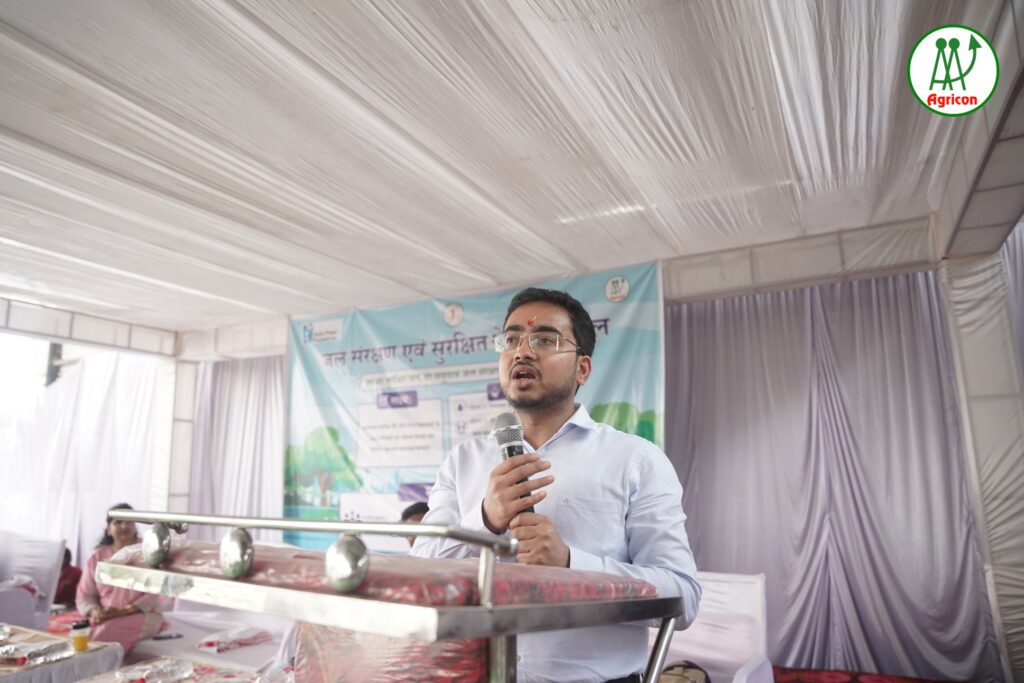
Addressing the gathering, Mr. Prateek Jain, CEO, Zila Panchayat Bastar, emphasised that protecting water resources is a shared responsibility. He encouraged Panchayats, local institutions and communities to continue working together to ensure the long-term sustainability of water conservation efforts and universal access to safe drinking water.

His message reflected the central philosophy of Jal Madai: sustainable water security is achieved when communities, institutions and local leadership work in partnership.

Looking Ahead

Jal Madai demonstrated that lasting water security extends beyond physical infrastructure. It depends on informed communities, capable local institutions and collaborative leadership.

At Chhattisgarh Agricon Samiti, we believe that resilient communities are built by strengthening local systems, encouraging collective ownership and supporting community-led solutions that endure well beyond individual projects.

As communities continue to lead conversations, monitor resources and make informed decisions together, they are not only protecting water for today but securing it for future generations. Infrastructure may deliver water. Communities secure its future.

Leave a Comment

Your email address will not be published. Required fields are marked *

Scroll to Top